


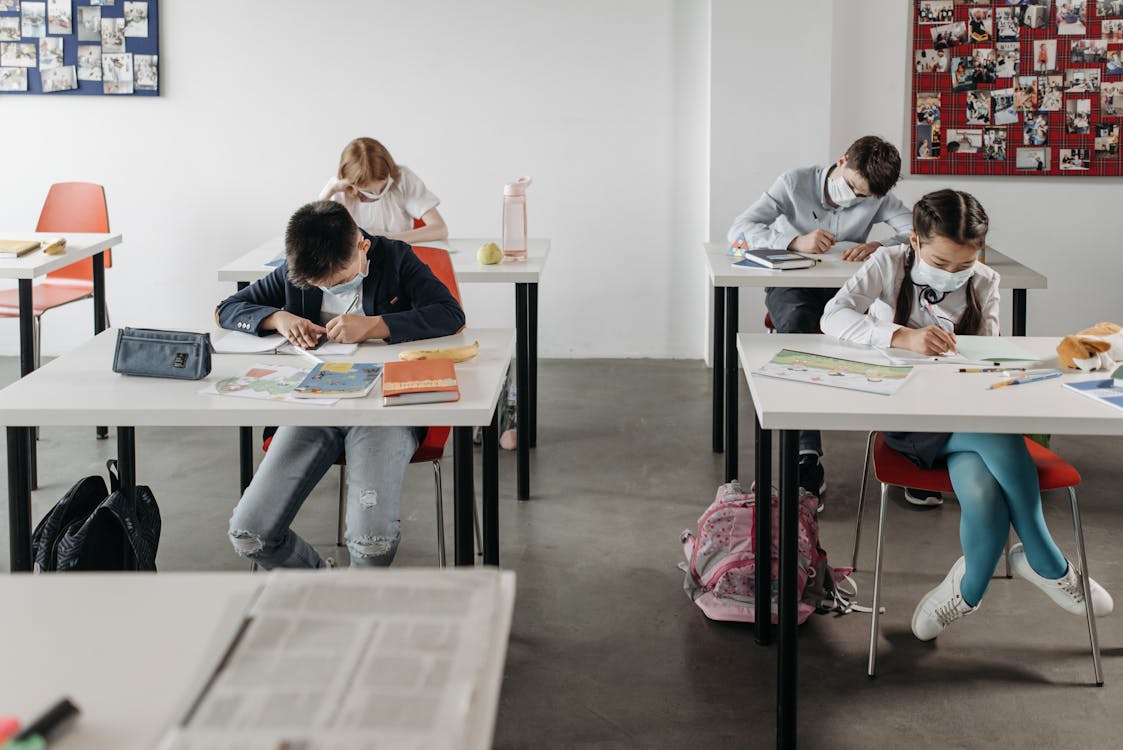
In a world plagued by the persistence of the COVID-19 pandemic, educational institutions across the globe have been forced to adapt rapidly to ensure continuity in learning. The traditional classroom setup, once the cornerstone of education, has been replaced by virtual platforms and innovative remote learning solutions. These adaptations have not only facilitated uninterrupted learning but have also catalyzed a wave of transformation in the education landscape, paving the way for novel approaches to teaching and learning.
The Rise of Remote Learning
As nations grappled with the challenges posed by the pandemic, the closure of schools and universities became a necessity to curb the spread of the virus. In response, educators and policymakers turned to technology as a lifeline for education. Virtual classrooms, video conferencing tools, and online learning platforms emerged as the new norm, enabling students to connect with their teachers and peers from the safety of their homes.
Dr. Sarah Jenkins, an education expert at the International Institute of Education, remarks, "The shift to remote learning was not merely a temporary fix but a catalyst for long-overdue reforms in the education sector. It forced us to reimagine traditional teaching methods and embrace technology as a powerful tool for delivering quality education."
Innovations Driving Change
Amidst the upheaval caused by the pandemic, educators and edtech companies alike rose to the occasion, introducing a plethora of innovations aimed at enhancing the remote learning experience. Artificial intelligence (AI), augmented reality (AR), and gamification emerged as key drivers of innovation, revolutionizing the way students engage with educational content.
One such innovation is AI-powered adaptive learning systems, which personalize the learning experience based on individual student needs and abilities. These systems analyze student performance data in real-time, allowing teachers to tailor their instruction to address areas of weakness and accelerate learning.
Furthermore, AR technology has been leveraged to create immersive learning environments, enabling students to explore complex concepts through interactive simulations and virtual experiments. By blurring the lines between the physical and digital worlds, AR enhances student engagement and comprehension, making learning both fun and effective.
Bridging the Digital Divide
However, amidst the wave of technological innovation, concerns have been raised about the digital divide exacerbating existing inequalities in access to education. In many parts of the world, students from low-income households lack the necessary devices and internet connectivity to participate fully in remote learning.
To address this issue, governments and NGOs have launched initiatives aimed at bridging the digital divide. One such initiative is the provision of subsidized or free internet access and devices to students in need. Additionally, partnerships between public and private sectors have led to the establishment of community learning centers equipped with computers and high-speed internet, ensuring that every student has equal access to educational resources.
Challenges and Opportunities
While remote learning has undeniably transformed the education landscape, it has also presented its fair share of challenges. The lack of face-to-face interaction between teachers and students can hinder communication and collaboration, leading to feelings of isolation and disengagement. Moreover, ensuring the security and privacy of student data in online environments remains a pressing concern.
Nevertheless, amidst these challenges lie opportunities for innovation and growth. Remote learning has encouraged educators to explore alternative pedagogical approaches, such as project-based learning and competency-based assessment, that prioritize critical thinking and creativity over rote memorization. Furthermore, the flexibility afforded by online education has opened doors for lifelong learning, allowing individuals to acquire new skills and knowledge at their own pace and convenience.
Looking Towards the Future
As we navigate the complexities of a post-pandemic world, the lessons learned from the era of remote learning will continue to shape the future of education. While the traditional classroom may never fully disappear, its boundaries have been forever expanded by technology, offering new possibilities for collaboration, creativity, and discovery.
Dr. Jenkins reflects, "The pandemic may have been a catalyst for change, but it is our collective commitment to innovation and inclusivity that will define the future of education. By harnessing the power of technology and embracing the principles of equity and accessibility, we can build a more resilient and equitable education system for generations to come."
In the face of adversity, educators and learners alike have proven their resilience and adaptability, demonstrating that even in the darkest of times, the pursuit of knowledge remains a beacon of hope and progress. As we embrace the dawn of a new era in education, let us seize this opportunity to reimagine the possibilities and chart a course towards a brighter, more inclusive future.

0 Comments