


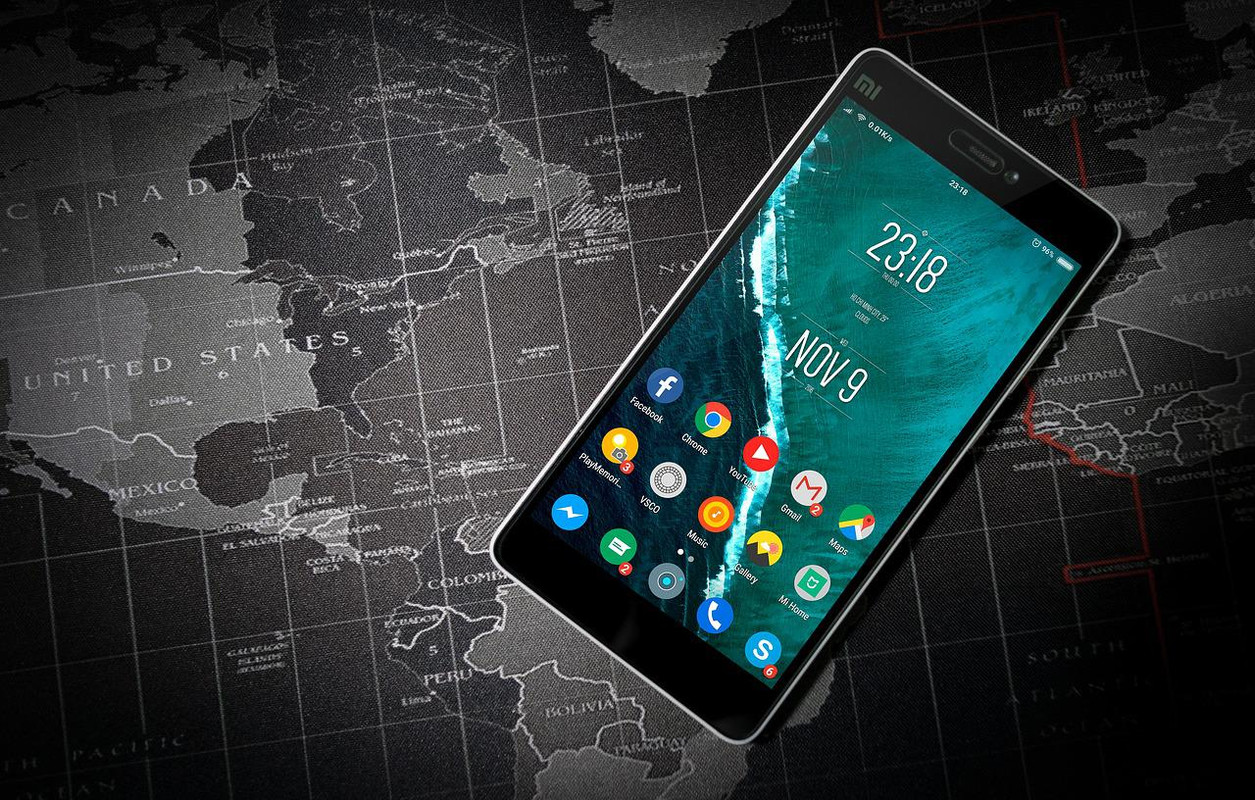
High schools in Sydney are banning the use of mobile phones during class hours, it was found this week. Phones can be brought into school, but must be kept in a locked pocket so that teachers can "focus on educating their students." This follows other recent phone bans in public and private schools across Australia. In 2020, Victoria will ban phones in all state primary and secondary schools as well as many private schools, and Sydney's prestigious SCEGGS Darlinghurst Girls' School will ban phones in May 2022. This is part of a global trend. In a move popular with parents, schools and governments, banning phones is seen as a way to fix bullying and student withdrawal. But research shows that bans don't solve these problems. Instead, we need to teach students how to deal with these issues. Schools are certainly under attack when it comes to helping young people explore technology. Anecdotally, the phone ban aims to encourage students to behave better and pay more attention in class. However, solving such problems in the long term is not easy. If I remove one variable (phone), I can't handle the complexity required to solve it. The purpose of the school is to help children acquire the skills, knowledge and aptitudes they need to survive. Given that we live in a digital age, the question we should be asking should not be "Should we ban phones?" You need to read: How can schools help young people become confident and proactive with technology? And where does the cell phone ban fit in? From talking to teachers at work, we know that classroom phones can be frustrating. Leaving phones muted or flipped can temporarily distract students when a notification pops up. But a rigorous, peer-reviewed study found that banning cell phones in the classroom had no effect on students' academic performance. It does not impair or improve academic performance in the long term. A 2020 Swedish study looked at high school performance (or grades) before and after a one-year cell phone ban and found no effect. Despite the concerns, research shows that mobile phones don't typically interfere with teachers teaching their students. This is because students most often pick them up between assignments or at the end of class. Studies show that traditional (face-to-face) bullying continues to be more prevalent globally than cyberbullying. So even if he removes the device for six hours a day, the bullying doesn't go away. When thinking about phone calls in schools, we need to think about three major issues beyond simple bans at school gates.
1. Live in a world of distractions
According to his Udemy survey in 2018, he said 36% of millennials and their Gen Z employees spend more than two hours scanning their smartphones for personal activities during work hours. I know you spend. In reality, a 40-hour work week becomes a 30-hour work week plus 10 hours for him on the phone. So when students find themselves in a tech-pervasive world, they know they need to learn how to work and be productive. When a student feels the urge to go online, I'm not saying the classroom should be her TikTok fest for free. But we must help our children learn how to concentrate and function in a digitally saturated world. 2. New risks and changes in old risks
The digital age has brought some risks and changed the nature of others. We need to specifically educate our students about it.Privacy risks are also changing, and they follow us almost everywhere. A recent study by the Internet Study Lab suggests that 95% of educational apps used in schools collect personal information about students, which is then sold to third parties. Students should also be able to recognize misinformation, deal with algorithmic bias, understand commercial profiling, and respect social isolation. And, of course, bullying is now online, chasing kids beyond school gates. Locking your phone in your pocket may be a short-term solution, but young people will likely face these complex technology-related problems as soon as they get home from school. 3. Treat children with respect
During the COVID-19 lockdown, there has been a huge reliance on devices for children to learn, socialize and stay sane. Now we are (mostly) back to normal, and suddenly young people can no longer use screens as part of their schooling. Not only is this confusing for young people, it also sets in motion a dynamic movement in which the things they need to use every day are seen as 'wrong' or 'harmful'. We need to provide young people with the skills and positive habits to use technology in ways that build and improve their lives. Clearly, this adds even more pressure and work to an already overloaded school, but when phones are banned, classrooms can't simply ignore them. Or there must be instructions. This is no longer a "screen time" conversation. New knowledge and new educational strategies are needed for our children to thrive online after her COVID and beyond.
#mobilephone #technology #advancement

0 Comments